Tracks Of Transformative Growth: How Regional Rails Is Rewriting Nigeria’s Economic Blueprints
The Dawn of a Decentralized Grid
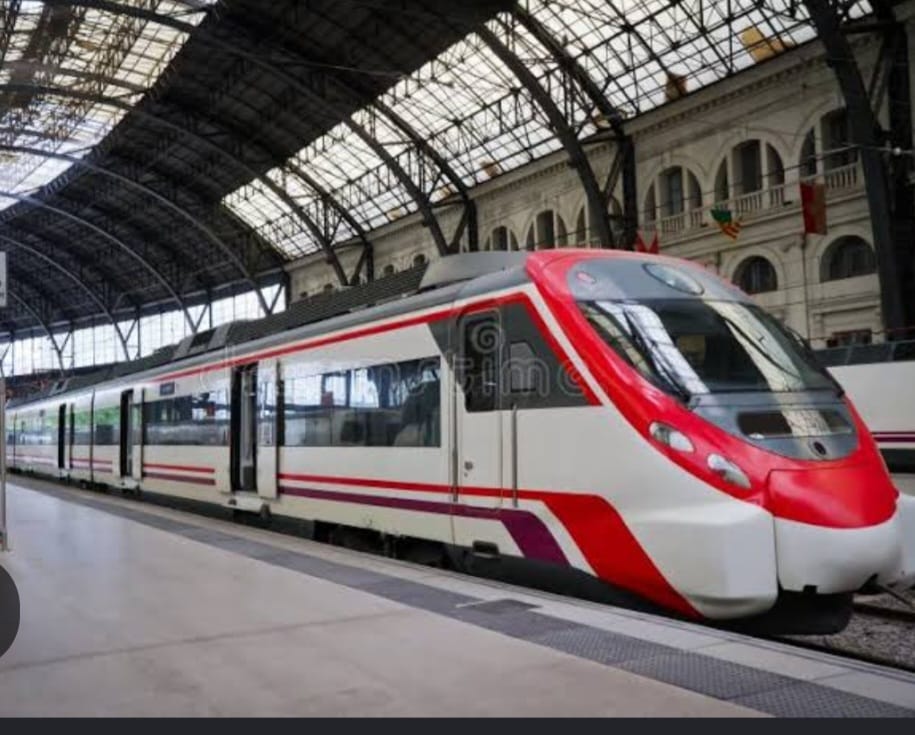
For decades, Nigeria’s subnational units relied heavily on central directives and federal allocations to execute major capital projects. The South-West region has disrupted that tradition with a strategic, coordinated play for infrastructure autonomy. By securing a provisional operational and track access licence from the Nigerian Railway Corporation (NRC), the South-West Development Commission (SWDC), alongside the Development Agenda for Western Nigeria (DAWN) Commission and Odu’a Investment Company Limited, is establishing the South-West Rail, Agro-Industrial & Logistics (SW-RAIL) Platform.
Rather than spending years on capital-heavy track building, the coalition is leveraging existing narrow and standard-gauge rail lines across all six South-West states—Lagos, Ogun, Oyo, Osun, Ondo, and Ekiti. This strategy directly unlocks immediate network access, connects major population hubs, and sets an example for fiscal federalism in action.
The Economic Ripple Effects
- Decongesting Mega-Cities & Real Estate Re-balancing:
The high cost of living in commercial nerve centres like Lagos is largely tied to proximity. Reliable regional transit shifts that dynamic. When a worker can live affordably in Abeokuta, Sagamu, or Ibadan and commute into central Lagos in under an hour, suburban land values rise while urban rent pressures normalize. - Strengthening Agricultural Supply Chains:
Heavy freight moves off road networks and onto rail tracks. Agricultural produce from farm clusters across agrarian towns can reach export terminals at Apapa, Tin Can ports, and industrial processors within hours, reducing transit spoilage and lowering food inflation. - Boosting Regional Trade Efficiency:
Moving industrial freight by rail drops per-ton haulage costs significantly compared to long-distance trucking. Easing heavy road congestion preserves asphalt infrastructure, reduces diesel emissions, and gives manufacturing hubs across the geopolitical zone a competitive advantage. - Regional Synergy: The Institutional Framework
SOUTH-WEST DEVELOPMENT COMMISSION (Policy Execution & Infrastructure)
DAWN COMMISSION ODU’A INVESTMENT CO. LTD (Regional Strategy & Policy)
The division of labour between these institutions provides an operational template for regional development:
The DAWN Commission serves as the policy engine, aligning state regulatory frameworks, transit integration, and border-town master plans. Odu’a Investment Company acts as the commercial vehicle, organizing private capital, structured debt, and joint ventures.
The SWDC operates as the project implementation authority, managing intergovernmental licenses, infrastructure access, and public-sector operations.
A National Blueprint for Subnational Autonomy
Constitutional reforms that liberalized power generation and railway operations have provided every geopolitical zone in Nigeria with the legal authority to manage its own infrastructure. The South-West’s initiative demonstrates how regional economic blocks can take advantage of these reforms:
The South-South Alignment: Maritime access and existing freight corridors provide an opportunity to build a coastal and riverine logistics network linking oil-producing hubs, agricultural zones, and deep-sea ports.
The North-Central & North-West Belt: A unified regional rail grid could link key agricultural belts directly to distribution hubs in Kano and Kaduna, reducing logistics bottlenecks across dry-land trade corridors.
The South-East Corridor: Connecting industrial manufacturing nodes in Aba, Nnewi, and Onitsha via subnational rail would lower raw-material freight costs and streamline cross-border trade route access.
Self-funded infrastructure development reduces reliance on central allocations and creates clear avenues for economic expansion. When regions build, manage, and scale their own infrastructure grids, localized growth becomes self-sustaining.